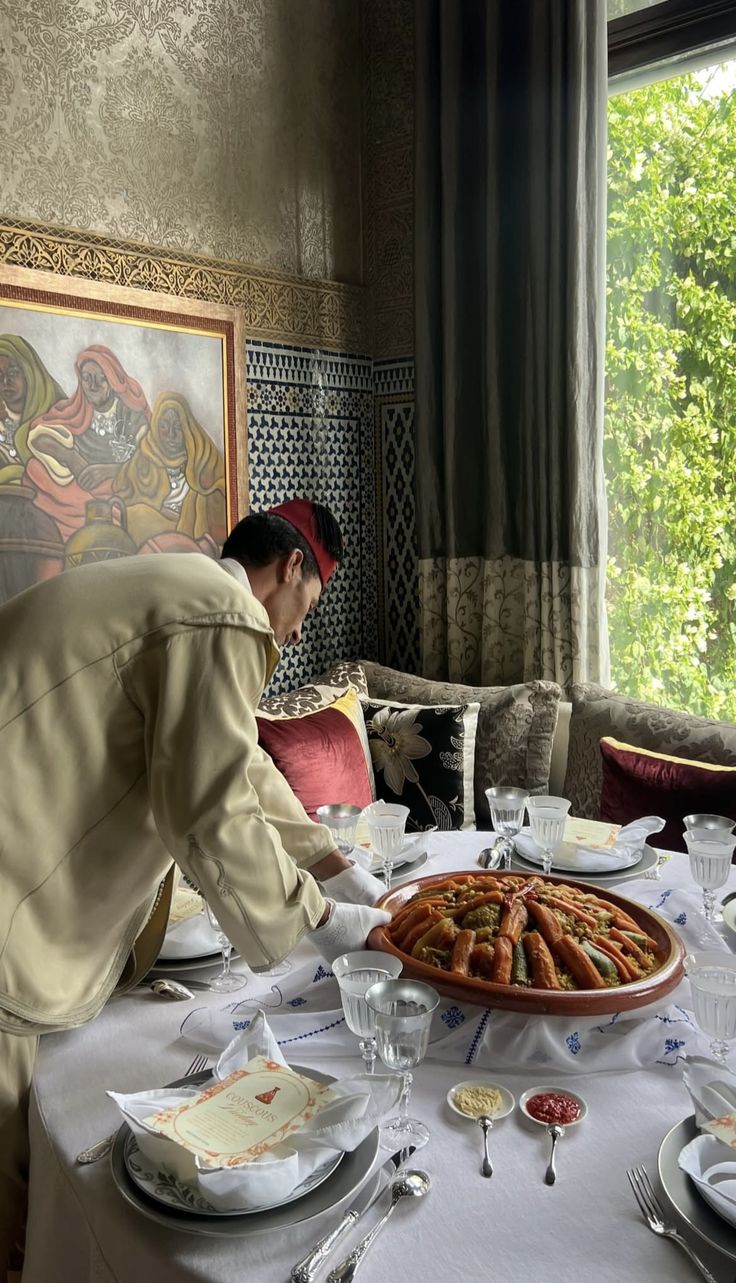
Couscous in Erfoud
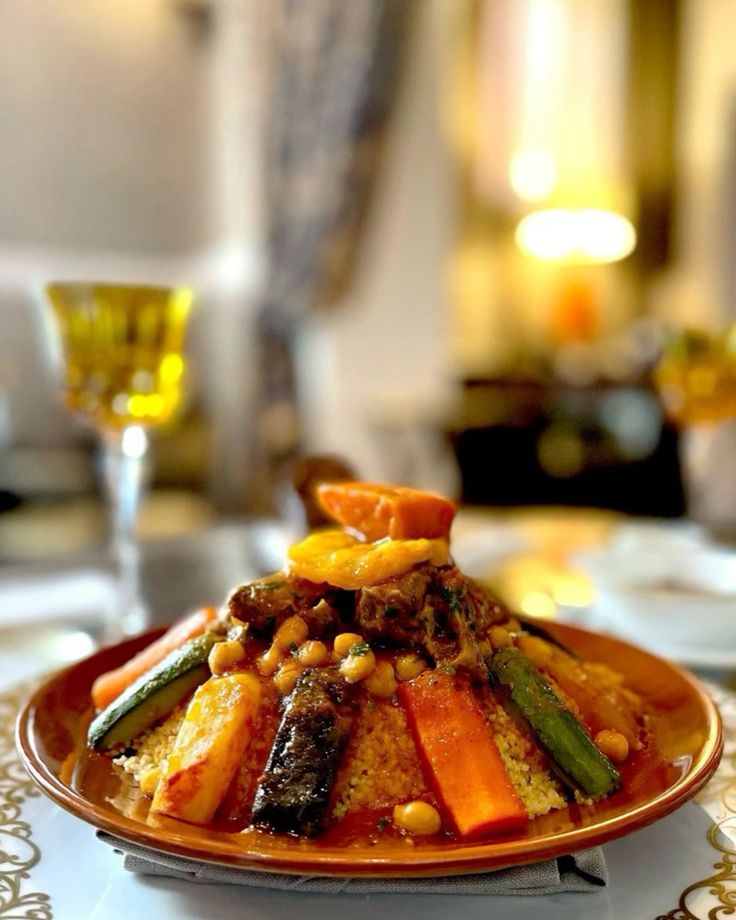
A Dish of Community, Ritual, and Desert Heritage
In Erfoud, couscous is far more than a traditional meal. It is a symbol of community, patience, and continuity, deeply connected to oasis life and the social fabric of the Tafilalet region. While couscous is known throughout Morocco, the way it is prepared, served, and understood in Erfoud reflects the realities of desert living and collective values.
This dish embodies a philosophy of sharing, moderation, and respect for nature — principles that have guided Saharan communities for centuries.
Couscous and the Desert Environment
Semolina, vegetables, and small portions of meat reflect an approach to food that prioritizes nourishment and equity, rather than abundance. Unlike richer versions found in northern or coastal cities, couscous in Erfoud is often lighter, more vegetable-based, and closely tied to seasonal availability.
A Weekly Ritual: Couscous and Friday Tradition
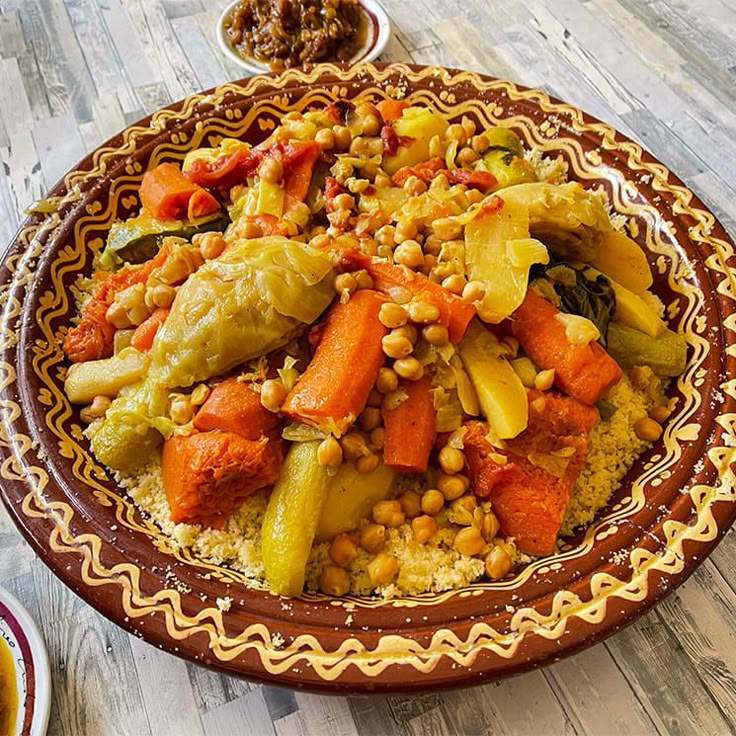
Traditionally, couscous in Erfoud is prepared once a week, most commonly on Fridays, a day of prayer and family gathering. This weekly rhythm gives couscous a ritual dimension, separating it from everyday meals.
The preparation begins early in the day and often involves several members of the household:
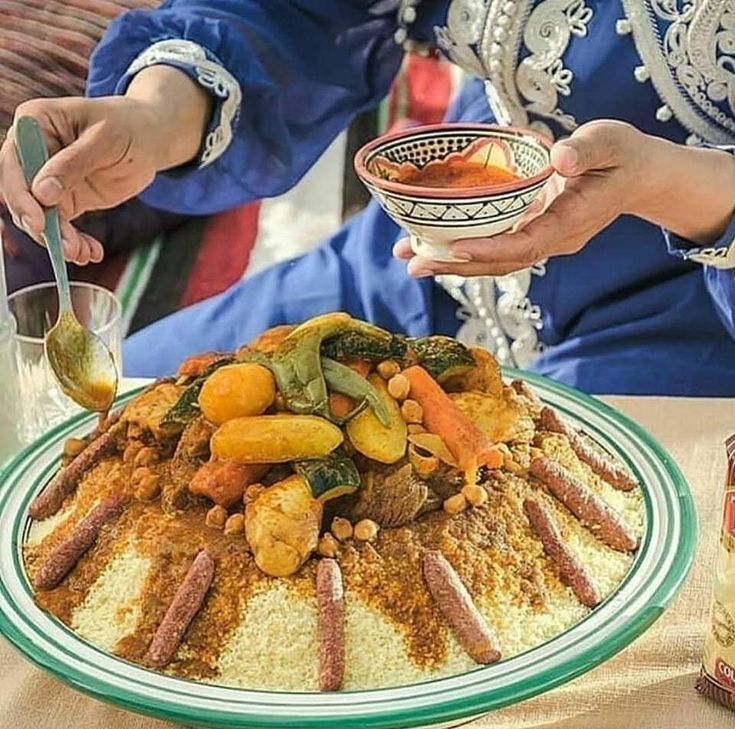
This shared effort reinforces family bonds and passes culinary knowledge from one generation to the next.
Ingredients Rooted in Oasis Life
The ingredients used in Erfoud couscous reflect the agricultural reality of oasis regions:
Semolina
Made from durum wheat, semolina is the heart of couscous. It is:
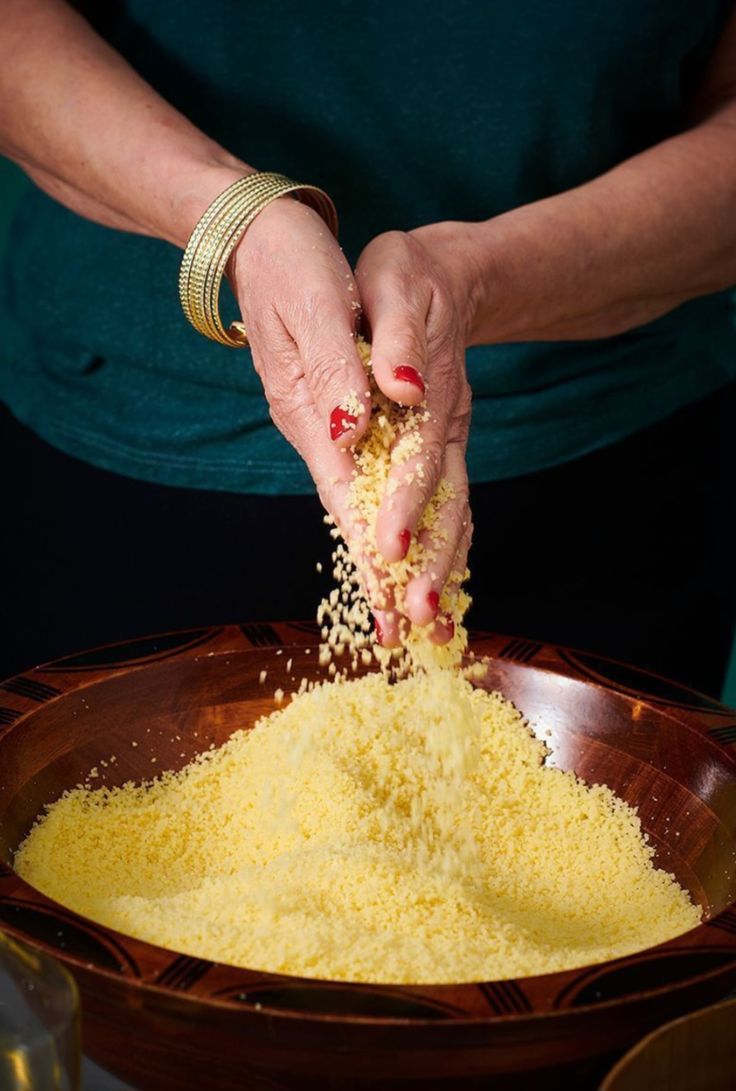
- Hand-rolled
- Steamed multiple times
- Carefully separated to achieve light, fluffy grains
This meticulous process requires experience and patience, making couscous preparation a skill passed down through generations.
Vegetables
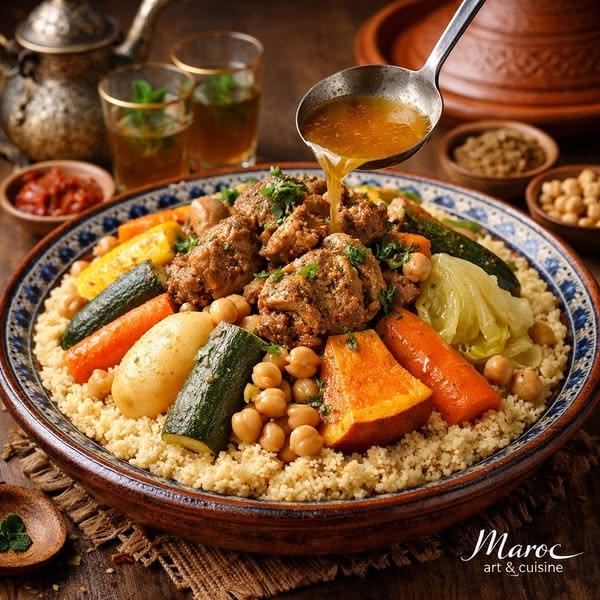
Vegetables typically include:
- Carrots
- Turnips
- Pumpkin or squash
- Zucchini
- Chickpeas
All are chosen according to seasonal availability, reinforcing a sustainable relationship with the land.
Meat (When Available)
Meat, usually lamb or beef, is used sparingly. In many households, couscous remains vegetable-focused, highlighting the importance of moderation in desert cuisine.
Cooking as an Act of Patience
Couscous preparation in Erfoud is intentionally slow. The grains are steamed two or three times, allowing them to absorb moisture gradually without becoming heavy.
This slow process reflects a broader desert philosophy:
Time is respected
Food is not rushed
Quality comes from care, not speed
In a fast-paced modern world, this approach offers a reminder of the value of presence and intention.
Social Meaning and Sharing
Couscous is almost always eaten communally. Family members and guests gather around a shared dish, eating from the same plate.
This practice reinforces:
Equality at the table
Hospitality toward visitors
A sense of belonging
In Erfoud, offering couscous to a guest is a sign of respect and generosity, not obligation.
Couscous During Celebrations and Life Events
Beyond Fridays, couscous plays an important role during:
- Religious holidays
- Weddings and family celebrations
- Agricultural milestones
- Community gatherings
In these moments, couscous symbolizes:
- Blessing (baraka)
- Gratitude
- Unity
Its presence marks the importance of the occasion and the desire to share joy collectively.